
GodReflection: Power Words
 The New Testament writers tell the story of Jesus through two opposite points of view. One point of view is through the eyes of God seekers.
God seekers find their way to Jesus.
The contrasting point of view is the religious. They so focus on the religious traditions passed to them from generation to generation that they missed Messiah who was right before their very eyes.
The religious may not see Jesus at all.
The point of reference for the religious was obedience to Old Testament Scripture. They knew the “Thou Shall’s,” and the “Thou Shall Not’s.” The one they did not know was God.
God came in the flesh as a man named Jesus to walk the streets of Jerusalem. The religious hearts mistook his identity. They did not see him. They despised him for messing with their rules.
 Jesus would not penetrate hearts of stone as solid as the tablets of Moses.
A truism of life is perception of power lies in the camp of tradition.
Thus, the religious leaders set out to rid Messiah from the face of the earth. The end would justify any ungodly means, even to the point of lying and murder.
Real power always equates to God.
 While religious people followed the timetable of their murderous scheme, God’s timepiece did not miss a beat. There was only one way to restore humankind to the state of the garden. It was dependent on God’s time and upon one critical act on a cross outside of Jerusalem.
From the time of Adam’s second born son Abel, to Noah, and Abraham, the gift of a prime lamb as a sacrifice was pleasing to God. With the law given by God through Moses the prophet, atoning blood from an animal sacrifice would be offered to forgive sin but with no lasting effect. The sacrifice would have to take place repeatedly.
God’s very own unique son was the one and only sacrifice that could reunite the creation to the Creator. Only the death of the Son of God could turn evil back into God’s pure good. That sacrifice—the most costly possible—happened outside of the gates of Jerusalem. The sacrificial offering was the Lamb of God.
On “the place of the Skull,” God demonstrated his incomprehensible love for me.
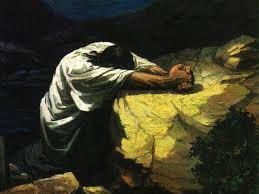 The ONLY WAY God could restore the loss of the Garden, was to send his son—equal to God and a member of the Holy Trinity—to take on the form of man. The stage was set. Jesus prayed to God for an alternative way to restore the relationship broken by the garden sin.
He knew there was none.
Therefore, Jesus prepared himself to take upon his shoulders every sin committed since Adam and every sin yet to be committed prior to the gates of heaven.
Killed by sinful man in the most horrendous act of crucifixion, over seven times, Jesus struggled to obtain enough air in his lungs to speak. He spoke of forgiveness. He spoke of care for his mother.
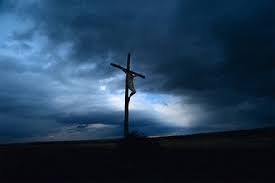 From noon until three in the afternoon darkness came over all the land. About three in the afternoon Jesus cried out in a loud voice, “My God, my God, why have you forsaken me?” Again, he cried out, “It is finished, Father, into your hands I commit my spirit.” When he had said this, he breathed his last and gave up his spirit.
In that moment the blackness of sin covered the face of God.
The curtain of the temple tore in two from top to bottom. The earth shook, rocks split,and tombs broke open.
The Roman guards stood over the crucifixion proceedings as unbelieving witnesses. The evidence and the terror were overwhelming. In a movement from disbelief to belief they  were left no choice and cried out, “Surely he was the Son of God!”
As a disciple of Jesus, I recognize crucifixion as a word so powerful it raided the gates of hell and death.
What are your reflections?
Stay tuned.
Dr. Gary J. Sorrells – A GodReflection on the Power of Crucifixion
Gary@GodReflection.org
 God Reflection
Bless you and yours, my brother, on this Friday when some around the globe recall the offering our Father made for all mankind. Thank you for your thoughts so well expressed. Grace and Peace, Lynn
LikeLike